
Water Conservation Tips for Landscape Renovation Projects
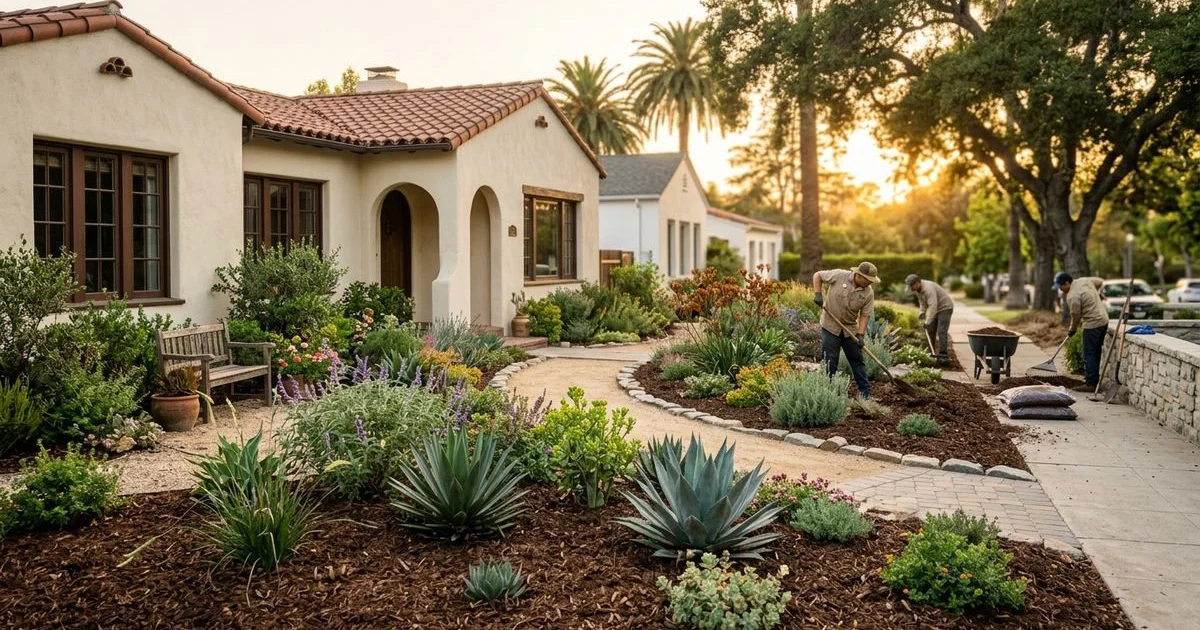
Landscape renovation is one of those projects that looks simple from a distance and becomes much more technical once the first shovel goes into the ground. A tired lawn, an overwatered planting bed, a slope that sheds rain toward the driveway, or a front yard that never quite looks settled can all seem like design problems. In practice, they are usually water problems too. The best renovations save water because they are built around the way a site actually behaves, not the way a catalog photo makes it look.
That matters everywhere, and it matters even more in places like the San Gabriel Valley, where hillside character, sun exposure, and seasonal dryness shape what survives long term. A landscape renovation that ignores those conditions usually ends up using more water than the one it replaced. A better plan starts with careful observation, honest editing, and a willingness to choose plants and materials that fit the site instead of fighting it.
Start with the site, not the shopping list
The most useful water-saving decision often happens before any design drawing is finalized. Before turf is removed, before a new drip system is selected, before anyone starts talking about color palettes, it pays to assess four basic conditions: irrigation, soil, sun exposure, and plant selection. That sequence sounds almost too simple, but it is where many projects go wrong. If the irrigation system is uneven, if the soil drains poorly or too quickly, if one side of the yard gets hard afternoon sun while the other sits in partial shade, then a one-size-fits-all design will waste water trying to compensate.
I have seen projects where a homeowner wanted to replace grass with “low water” plants, only to discover the real issue was a broken spray head and compacted soil. Once those problems were corrected, the existing landscape used far less water than anyone expected. Other sites need the opposite approach. A lawn can be removed and replaced with a thoughtful combination of planting, mulch, and hardscaping, but only after the slope, runoff pattern, and exposure are understood. Rushing past that step usually creates a landscape that looks finished on day one and thirsty by month three.
California water guidance points directly to this kind of pre-planning, and for good reason. A renovated landscape should be based on realistic water needs, not guesswork. Tools such as WUCOLS are useful because they help match plant choices to regional water demand rather than forcing plants to live on a schedule that suits the owner’s Pasadena landscaping companies calendar more than the site.
Turf removal works best when the replacement plan is already solved
Turf removal is often where homeowners begin, because grass feels like the obvious water user. It is, but removing it without a replacement strategy can create a bare, erodible, and oddly more maintenance-heavy yard. On flat ground, that may mean a temporary dust bowl. On a slope, it can mean runoff, soil loss, and a design that looks unfinished for months.
The smarter approach is to decide what should occupy the space before the turf comes out. In some areas, that means drought resistant landscaping with planting islands, decomposed areas, or permeable hardscaping. In other places, it may mean converting portions of the lawn to native habitat planting and leaving a smaller functional turf zone where it actually earns its keep. A front yard in a sunny neighborhood may be a good place for structural planting and reduced irrigation. A side yard used by children or pets may justify a limited patch of grass with efficient watering.
This is where restraint helps. The goal is not to eliminate every green patch. The goal is to stop irrigating space that does not need to look or function like turf.
Design for irrigation efficiency, not just plant survival
An efficient irrigation system is not glamorous, but it is often the difference between a landscape that stays healthy and one that leaks water into the gutter or deep into the soil where roots never reach it. Renovation is the best time to retrofit irrigation because the yard is already open. Old spray heads, mismatched nozzles, poor zoning, and outdated controllers can all undermine even the best planting plan.
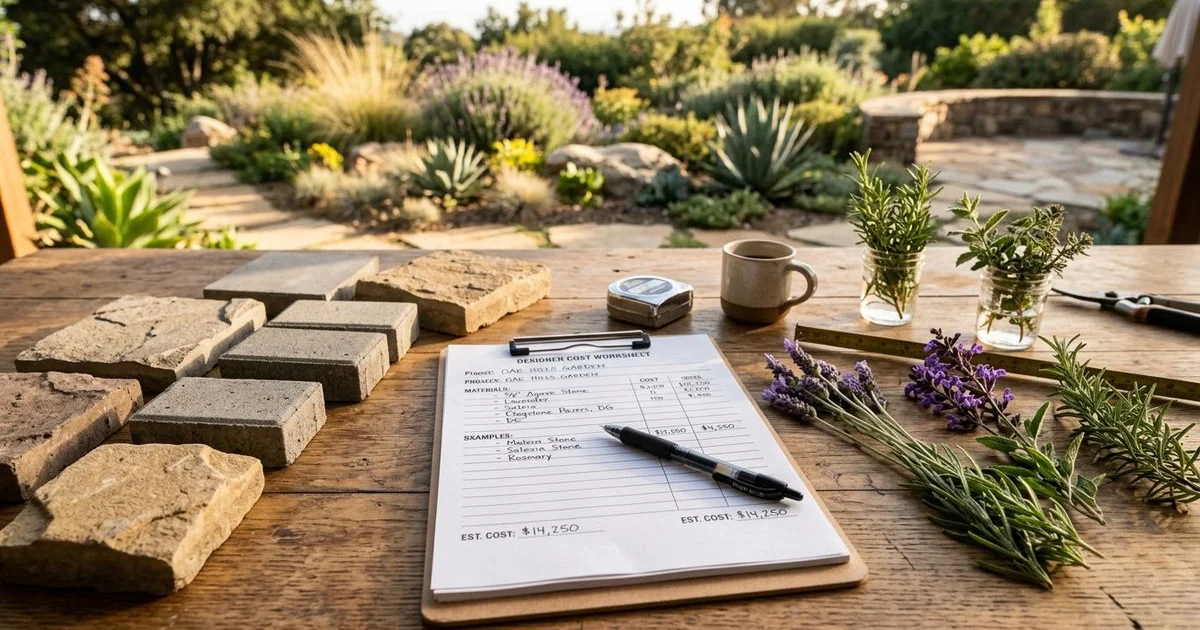
A renovation should separate plants by water need whenever possible. A dense bed of native shrubs should not share the same watering schedule as a new patch of ornamental groundcover or a small area of turf. If zones are mixed, the driest plants are usually overwatered and the thirstiest plants still suffer. Drip irrigation is often a strong fit for planting beds because it delivers water where roots can use it, rather than broadcasting moisture onto sidewalks, fences, and paved edges.
Timing matters too. Watering deeply and less often is generally more useful than shallow, frequent watering, because it encourages roots to search downward instead of staying near the surface. That principle is especially important for new plantings, which need regular attention early on but should gradually be guided toward less frequent irrigation once established. A well-designed renovation anticipates that transition from the start, so the system can be adjusted rather than overbuilt.
Hardscaping can save water when it is used with purpose
Hardscaping gets blamed for making yards feel hotter or harder, but it can also be one of the best water conservation tools in a landscape renovation. The key is intention. A patio, path, retaining wall, or seating area should solve a real functional problem, not just fill space that could have supported plants. When hardscaping replaces high-maintenance turf in the right place, it reduces irrigation demand and can improve access, drainage, and slope control.
In hillside landscaping, this is especially useful. Slopes often do not need expansive planted coverage if the site is better served by terracing, steps, or retaining structures that slow water movement and stabilize the ground. Hardscaping can also help define planting pockets that are easier to irrigate efficiently. A narrow planting strip along a walkway, for example, can be managed with drip and mulch far more effectively than a broad swath of mixed turf and shrubs.
The trade-off is that hardscaping is permanent enough to deserve careful placement. If it blocks drainage or creates awkward runoff paths, it can create new water problems. In renovation work, I have seen a modest retaining feature save both water and maintenance because it turned an unstable slope into manageable planting tiers. I have also seen decorative paving installed where a simple planted swale would have handled runoff more gracefully. Water-wise design is rarely about choosing hardscape over planting. It is about putting each where it actually performs.
Hillside landscaping needs erosion control before aesthetics
Slopes demand respect. They dry out faster, shed water more quickly, and can lose soil long before a homeowner notices. In a landscape renovation, a hillside should be treated as a drainage and erosion-control project first, and a visual project second. Once the soil begins moving, plant health and water efficiency both suffer.
The most reliable hillside renovations combine drought tolerant landscaping with erosion-conscious planting and structure. Groundcovers, shrubs with deep or useful root systems, and careful spacing can help hold soil in place. Mulch protects exposed ground from direct sun and reduces evaporation, which is especially valuable on hot, sunny slopes. In some cases, terracing or a series of stepped planting areas is the practical answer because it breaks one steep challenge into several manageable ones.
Firewise thinking matters here too. In foothill areas, hillside planting should consider both water use and plant placement around structures. The right renovation does not crowd a slope with dense, flammable material right against the house, nor does it strip every plant away and leave bare soil to erode. It aims for a balanced landscape that slows runoff, reduces ignition risk, and still belongs to the local setting.
Plant selection should be local, climate-appropriate, and honest about microclimate
The plant palette determines a great deal about water use. A renovation built around California native plants and other climate-appropriate selections usually has a better chance of staying within a sensible irrigation budget than one built around high-demand ornamentals. That does not mean every native plant belongs in every yard. It means the plant choice should reflect the actual sun, soil, wind, and slope conditions of the site.
Microclimate can change everything. A west-facing wall can be punishingly hot. A protected corner can stay cooler and hold moisture longer. A sandy area may drain fast, while a compacted bed can hold water at the surface and stress roots. That is why a sensible renovation starts with observation instead of assumptions. WUCOLS exists for exactly this reason, because regional plant water needs are not all the same.
A few plants come up often in local water-wise design because they fit dry, sunny, and often challenging conditions. California buckwheat, California sagebrush, manzanita, ceanothus, monkeyflower, foothill penstemon, and bunchgrasses are all examples of plants that can play a real role in a drought-conscious renovation when matched properly to the site. San Gabriel oak is another locally named native species that fits into this regional conversation. These plants are not magic, and they are not interchangeable, but they do reflect a design approach that values adaptation over constant irrigation.
A practical plant-selection filter
When I am helping evaluate a renovation planting plan, I usually look at the choices through a simple filter:
That sort of screening saves a lot of replacement work later. A plant that looks perfect in the nursery can become expensive if it needs constant correction to survive in the yard.
Habitat and water savings can work together
One of the more encouraging changes in landscape renovation is that water conservation and habitat gardening are no longer treated as separate goals. In many cases, the same design choices support both. Native planting can reduce irrigation demand while creating a more useful landscape for local ecology. For properties near the San Gabriel Mountains, this point carries extra weight, since the region is known for habitat that supports rare, threatened, and endangered species.
That does not mean every residential yard needs to become a full-scale habitat project. It does mean a renovation can contribute positively instead of simply replacing thirsty turf with sterile gravel. A layered plant community, even on a modest lot, can create shade, improve soil condition, and support a more stable landscape over time. The result is often a yard that looks less manicured but more grounded, more regionally appropriate, and easier to water.
In practical terms, habitat-oriented design also tends to discourage waste. Plant groupings are more coherent, irrigation zones are easier to rationalize, and the landscape can be managed with less frequent intervention once established. For homeowners who want a yard that feels alive without becoming a maintenance burden, this balance is worth aiming for.
Rules, associations, and renovation choices
Landscape renovation is also shaped by policy and neighborhood expectations. California’s Model Water Efficient Landscape Ordinance has made water efficiency a standard part of new and renovated landscapes, especially in larger projects. It encourages climate-appropriate and native plant use, efficient irrigation, and alternative water sources where practical. That means water-wise design is not just a preference. In many cases, it is part of the planning reality.
Homeowners’ associations can complicate the picture, but drought-related water restrictions have limits on what HOAs can prohibit when it comes to water-efficient landscaping choices. That is important for anyone worried that a renovation proposal will run straight into aesthetic objections. A well-documented, water-conscious plan can help show that reduced turf, native planting, and more efficient irrigation are not shortcuts. They are responsible responses to the landscape conditions and current conservation expectations.
For projects in visually sensitive hillside communities, this kind of planning matters even more. The San Gabriel Valley has a distinctive hillside character, and renovation work should respect that visual context while still reducing water use. A successful project rarely announces itself through excess. It blends into the terrain with plantings and materials that look like they belong there.
A renovation timeline that avoids waste
A lot of water is lost to impatience. Owners want the yard finished quickly, and contractors want the site closed up. But the most effective renovation schedules leave room for decisions that reduce long-term water use. Soil correction, irrigation adjustments, grading, and plant placement all benefit from a slower and more deliberate sequence.
The order matters. First comes evaluation, then drainage and irrigation corrections, then hardscaping or slope work, and only then final planting. When that order is reversed, the finished landscape often needs extra water to compensate for unresolved problems. A newly planted slope with poor runoff control can look acceptable for a few weeks while quietly losing soil every time it is irrigated. A patio edge that traps water near a foundation can create a long-term headache that no plant choice can solve.
The best projects usually leave the owner with a landscape that gets easier over time, not more demanding. That is the real measure of water conservation in renovation work. Not just whether the first year’s water bill drops, but whether the site becomes simpler to manage after establishment.
What a water-wise renovation really delivers
The strongest water conservation projects are rarely dramatic at first glance. They are the ones where irrigation matches the planting zones, where slopes hold together through the season, where hardscaping supports the land instead of overpowering it, and where the plants look as though they were chosen for the place they actually live. That kind of renovation takes discipline. It asks for fewer assumptions and more observation.
It also tends to produce better-looking landscapes over time. A yard designed around sun, soil, slope, and regional plant needs usually ages more gracefully than one built around temporary visual impact. In areas where water efficiency, hillside stability, and firewise thinking all matter at once, that is not a small advantage. It is the difference between a renovation that merely changes the appearance of the property and one that improves how the property functions through dry seasons, storm events, and everything in between.