
A Guide to California Native Plants for Residential Landscaping
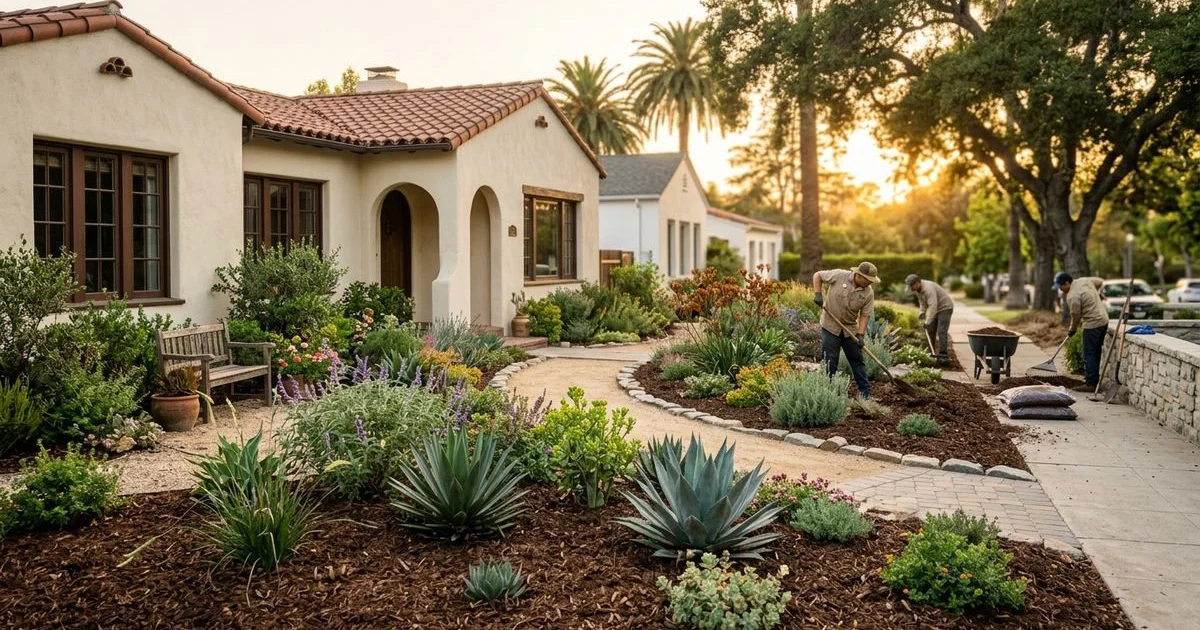
California native plants make sense for residential landscapes for a reason that goes beyond aesthetics. They are part of Pasadena landscaping companies the region’s ecological fabric, and when they are placed well, they solve a lot of the problems homeowners keep running into: high water use, slope erosion, patchy turf, complicated drainage, and planting beds that look good for a season and then struggle through the heat. In the San Gabriel Valley, those issues are not abstract. The hillside views, the dry summers, and the mix of foothill and suburban lots all push landscape design toward plants that can work with the site instead of fighting it.
A native plant garden does not need to look wild or unfinished. Done well, it can be crisp, structured, and highly residential. The trick is to treat it as a complete landscape system, not just a plant swap. Soil, sun exposure, irrigation, hardscaping, slope, and firewise concerns all shape the result. That is where the real value lies. The best native landscapes are rarely accidental. They are planned with the same care you would bring to a patio, a drainage correction, or a front yard renovation.
Start with the site, not the plant list
The most common mistake I see is choosing plants before understanding the conditions they will grow in. A plant that thrives on a sunny slope will struggle in a shaded courtyard. A shrub that needs excellent drainage may decline in heavy soil if the grading holds water after storms. Water-wise landscape planning starts with a careful look at irrigation, soil, sun exposure, and plant selection together, not as separate tasks.
That matters even more if you are thinking about turf removal. Turf conversion is often where homeowners begin, especially when water bills rise or a lawn starts to thin out. But removing grass without first understanding how water moves across the property can create new problems. You may trade a thirsty lawn for runoff, bare soil, or irrigation overspray that lands where it is not needed. In practice, the best projects begin with observations over time. Where does the sun hit hardest in late afternoon? Which parts of the yard dry out first? Where does water linger after a storm? Those answers guide everything else.
Microclimate also matters. In the San Gabriel Valley, one side of a home may be warmer, brighter, and windier than the other. A front slope facing full sun can behave very differently from a sheltered side yard. Native plants are often sold as broadly drought tolerant, but that phrase can hide a lot of variation. Some need more seasonal moisture than others. Some are happiest in rocky, fast-draining soil. Some tolerate reflected heat near hardscape far better than plants that prefer a cooler planting pocket. Matching the plant to the microclimate is one of the simplest ways to keep maintenance low.
Why native plants fit residential landscapes so well
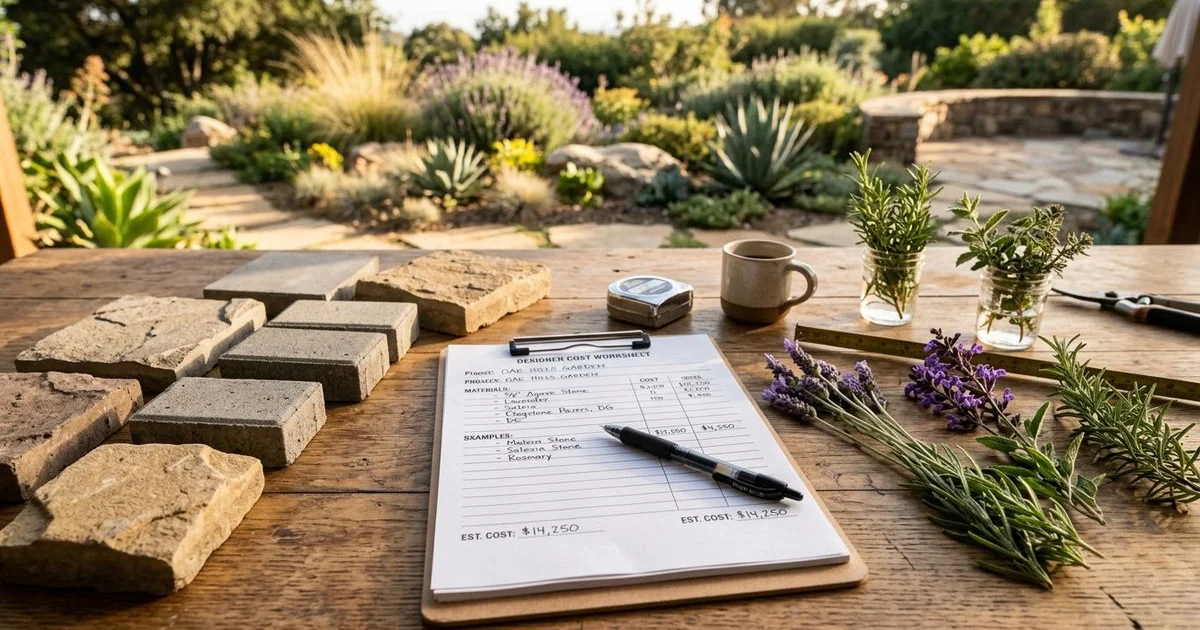
California native plants are especially useful in landscapes designed around water efficiency. The state’s landscape water guidance encourages homeowners to think carefully about plant water needs and to use region-appropriate selections. That approach aligns with what many landscape professionals already know from field experience: when plants are suited to the climate, they establish more predictably and ask for less correction later.
What native plants bring to a residential setting is consistency. They are adapted to the seasonal rhythm of dry summers and rainfall concentrated in cooler months. That does not mean they never need irrigation, especially while they are getting established, but it does mean they can be part of a drought resistant landscaping strategy without looking sparse or improvised. A well-composed native yard can still have layers, seasonal color, and a strong sense of place.
There is also a visual advantage. Native plants tend to read as local rather than ornamental in a generic way. In the San Gabriel Valley, that is a strength. The landscape already has a distinct identity, shaped by foothills, canyons, and the broader San Gabriel Mountains. A home landscape that echoes those forms feels more settled. It does not need to mimic the wild, but it can borrow the structure of the region’s plant communities.
Some of the plants that fit naturally into this kind of design include California buckwheat, California sagebrush, manzanita, ceanothus, monkeyflower, foothill penstemon, and native bunchgrasses. San Gabriel oak also belongs in that conversation as a locally named native species. Each of these brings a different texture and function. Buckwheat offers a light, airy feel. Sagebrush gives a silver-gray backdrop. Manzanita adds strong evergreen structure. Ceanothus can supply bold seasonal interest. Bunchgrasses help soften edges and stabilize space between shrubs.
A practical plant palette for residential use
A good planting plan is less about collecting names and more about combining forms that work together. In residential landscape design, you usually want a mix of structure, movement, and seasonal change. Natives can deliver all three if they are grouped thoughtfully.
California buckwheat is useful where you want a durable, low-water plant that can knit a space together without becoming heavy. California sagebrush works well as a textural shrub in sunny conditions, especially where you want the landscape to feel open and light. Manzanita brings evergreen character and can serve as a strong anchor in a front yard or along a slope. Ceanothus adds spring interest and can be a major visual event when sited properly. Monkeyflower and foothill penstemon contribute color and detail, especially where the planting zone is closer to walkways or viewing distance. Bunchgrasses fill gaps, reduce bare soil, and make plantings feel more intentional.
The question is not just whether these plants survive, but whether they can work together at mature size. Native shrubs often look small at the nursery and much larger a few years later. That is where disciplined spacing matters. Overcrowding leads to irrigation conflicts, blocked air flow, and maintenance headaches. Give shrubs room to develop their natural form, and use lower plants or grasses to bridge the gaps while everything establishes.
A basic plant grouping strategy can help keep the design coherent:
That simple discipline is often what separates a polished native garden from a patchwork of attractive plants that never quite settle into a landscape.
Hillsides need more than attractive plants
Hillside landscaping in this region is not just a design problem, it is a stability problem. Slopes need erosion control, drought tolerance, and firewise planting. That combination is especially relevant in foothill communities, where a home may sit on or near a grade that sheds water quickly and can be difficult to irrigate evenly.
On a slope, bare soil is the enemy. It invites erosion during storms and can create runoff that carries sediment downhill. Dense, well-chosen native plantings help by covering the soil and interrupting water flow. Bunchgrasses can be especially useful here because their roots help hold the surface and their form reduces the look of exposed slope. Shrubs with broader branching habits can also help anchor the design, as long as they are spaced to avoid crowding and allow maintenance access.
Hardscaping often belongs in the conversation too. Retaining walls, steps, terraces, and path systems can make a steep property both safer and more usable. The key is coordination. Hardscape can slow water and shape circulation, but planting still needs to do its part. A slope that is only paved or only planted usually misses the mark. The most successful hillside landscaping blends structural elements with drought tolerant plantings that protect the soil and respect the grade.
Water management matters on slopes as well. Irrigation should be designed to prevent overspray and runoff. Drip systems are often better suited than broad spray in these conditions, especially when plants are grouped by similar water needs. This is one of the places where irrigation retrofits can make a major difference. A landscape that was originally designed for lawn may need a new watering strategy after turf removal. The plant palette and the irrigation system should change together.
Firewise planting is part of good design
In the San Gabriel Valley, firewise landscaping is not a niche concern. It is a practical design issue. Native plants can be part of a fire-conscious landscape, but they need to be selected and arranged with care. The goal is not to eliminate native planting near the home. The goal is to create defensible space and reduce the chance that fine fuels, dense planting, or poorly placed shrubs create avoidable risk.
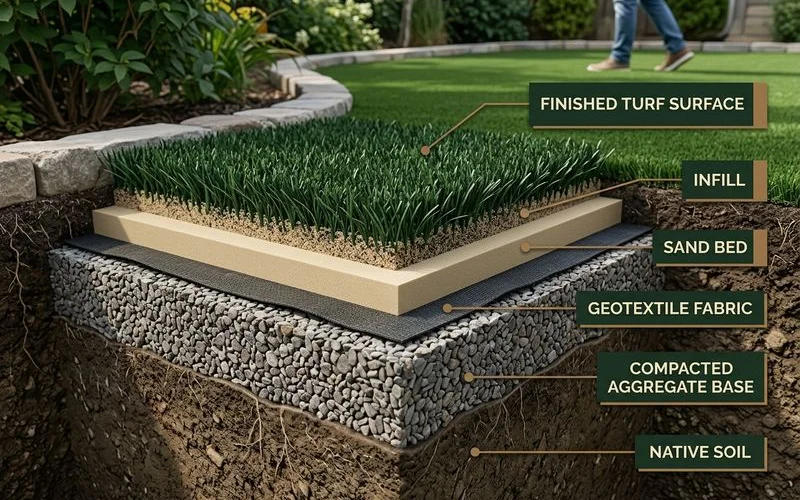
Fire-resistant planting is not about one magic species. It is about spacing, maintenance, placement, and how materials are used near the house. Near the structure, low-growing and less combustible plantings are generally easier to manage than dense, highly flammable accumulations of dry material. That is also where hardscaping can help. A gravel strip, a walkway, or a well-placed patio can create useful separation zones while still keeping the yard attractive.
The local emphasis on ember-resistant zone rules makes this even more relevant. Plants that are appropriate elsewhere in a yard may not belong right next to the house, especially if they produce persistent dry litter or require frequent pruning to stay tidy. Mature size matters, as does housekeeping. A beautiful planting loses value if it sheds too much debris into corners, vents, or narrow side yards that are hard to maintain.
The best firewise landscapes feel composed, not sterile. They use clear edges, sensible spacing, and plant choices that fit the maintenance plan. They also keep access in mind. If a property needs regular clearing, irrigation inspection, or access along a side yard, the design should support that from the start.
Water efficiency, irrigation, and the rules that shape renovation
Water-efficient landscaping in California is not just a preference, it is part of the planning environment for new and renovated landscapes. State landscape water standards regulate water use and encourage native or climate-appropriate plants, efficient irrigation, and alternative water sources where appropriate. For homeowners, that means the old model of replacing turf with a similar amount of ornamental planting and spray irrigation no longer makes much sense, either practically or visually.
Before making changes, it helps to assess the whole system. Turf removal can create an opportunity to rethink the yard at a deeper level. If the lawn is being reduced, the irrigation should usually be reworked as well. Plant groupings should reflect similar water needs so the irrigation system can be set more accurately. WUCOLS, which many landscape professionals use to understand region-specific plant water needs, is valuable precisely because it recognizes that water use varies by plant and site. A plant that is water-wise in one setting may be much thirstier in another if the soil, exposure, or spacing changes.
The most efficient water-wise gardens usually share a few traits: plants are grouped logically, irrigation zones are matched to plant needs, and there is less wasted water on paved areas or exposed soil. That does not require a complicated system. It requires attention. A smart retrofit can reduce waste simply by correcting mismatched spray heads, replacing water-hungry turf areas, or adjusting schedules to reflect real conditions instead of habit.
HOA concerns and homeowner rights
Many residential landscapes in California sit within communities governed by homeowners’ associations, and that adds another layer of decision-making. During drought-related restrictions, state water-restriction guidance states that homeowners’ associations cannot prohibit certain water-efficient landscaping choices. That matters for people who want to replace turf, reduce water use, or move toward native planting without running into unnecessary resistance.
Of course, that does not erase every local rule. Design review still exists, and front yard changes often need to fit neighborhood expectations. But an HOA cannot simply block a homeowner from using water-efficient options that align with state guidance. In practice, it helps to document the intent of the project clearly, especially when the landscape is moving from a traditional lawn to a drought resistant landscaping approach. A clean plan, a coherent plant palette, and a tidy hardscape layout often go a long way in gaining approval.
This is one reason native landscapes should be designed carefully rather than casually. A front yard can be water-wise and still look polished enough to satisfy community standards. Repetition, clean lines, and well-chosen hardscaping details make a major difference. The goal is not to hide the fact that the landscape is adapted to California conditions. The goal is to make that adaptation look intentional.
What homeowners usually get right, and where they struggle
Most homeowners understand the appeal of native plants as soon as they see them in a mature landscape. The challenge comes in the middle stage, when the plants are still small and the yard can look unfinished. That is where patience matters. Natives often take time to establish, and early irrigation should support that establishment without training the plants into unnecessary dependence. A young landscape can look thin for a season or two before the shrubs and ground layers begin to knit together.
The other common challenge is overcollecting species. A landscape does not need twenty different natives to feel rich. It needs a clear structure and the right plants in the right places. Too much variety can make maintenance harder, especially when each species has a slightly different water need, growth habit, or pruning requirement. A simpler composition usually ages better.
The best residential native landscapes I have seen share a calm confidence. They do not try to impress with novelty. They use a few durable plants, placed with intent, supported by efficient irrigation and enough hardscaping to keep the site usable. On a hillside, that might mean terraces, steps, and erosion control. On a flatter lot, it might mean a strong front walk, a restrained planting palette, and a reduced turf area that no longer fights the climate.
California native plants are not a trend in the usual sense. They are a practical response to the place itself. In the San Gabriel Valley, where hillside character, drought pressure, fire risk, and water rules all shape the choices homeowners make, they offer a grounded way forward. They let a residential landscape feel local, resilient, and visually connected to the region without demanding constant correction. That is a good standard for any yard, and an especially wise one here.