A Guide to Drought-Tolerant Landscape Design for California Yards
California yards ask a lot of a landscape designer. They need to look good through long dry stretches, handle water limits without falling apart, and still feel like a real place people want to live in. That is especially true in foothill and hillside communities, where a poorly planned yard can lose soil, send runoff downhill, or become a fire concern long before anyone notices the plants are struggling.
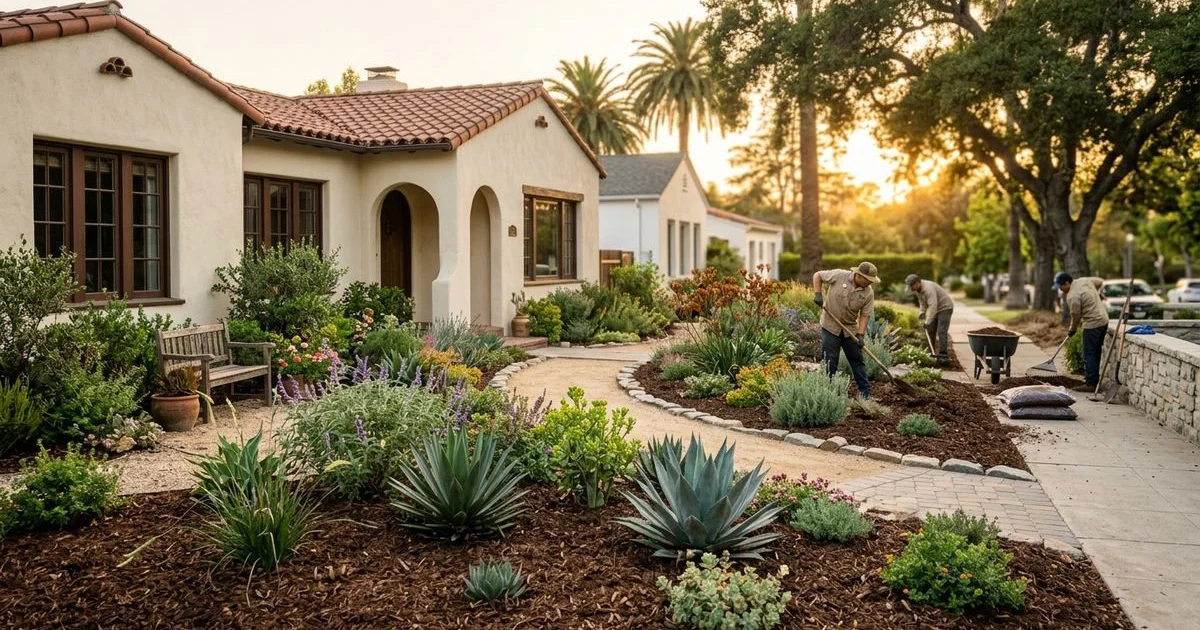
The best drought-tolerant landscape design is not just about swapping turf for gravel and calling it a day. It starts with reading the site honestly. Sun exposure matters. Soil condition matters. Drainage matters. Irrigation matters. Plant selection matters even more. When those pieces work together, the result is a landscape that uses water wisely, fits the California climate, and gets better with age instead of needing constant rescue.
Start with the site, not the plant list
The most common mistake I see in water-wise projects is starting with plant shopping before understanding the yard. A plant that thrives in one corner may fail ten feet away because the exposure changes, the soil holds more water, or a slope drains too quickly. California’s water planning guidance makes a similar point: before removing turf or making major changes, assess irrigation, soil, sun exposure, and plant selection together. That sequence saves money and frustration.
On a flat suburban lot, this may mean mapping where the sun hits hardest in summer, which edges dry out first, and where irrigation oversprays onto pavement. On a hillside property, the questions become sharper. Does water run off before it soaks in? Does one part of the slope stay shaded while another bakes all afternoon? Is there already erosion where bare soil shows through? Those are design clues, not problems to ignore.
I often tell homeowners to think of the yard as a set of microclimates. The front strip by a reflective driveway behaves differently from a north-facing side yard or a slope near a retaining wall. If you match plants to those conditions instead of forcing one plant palette everywhere, maintenance drops fast. The landscape looks more natural too, which is one reason drought resistant landscaping rarely feels stiff when it is done well.
Why California water-wise design has to be more than “low water”
A good drought-tolerant landscape is efficient, but efficiency alone is not the whole story. The most durable projects also respond to local rules and local risk. California’s Model Water Efficient Landscape Ordinance has pushed new and renovated landscapes toward more efficient water use, native or climate-appropriate plants, and smarter irrigation. That framework exists for a reason. Water is too valuable to spend on plantings that do not fit the site.
The practical side of this is simple. If you replace a thirsty lawn with a dry garden but keep the same tired sprinkler layout, you may not save much water at all. Overhead spray that once made sense for turf can become wasteful when it wets paths, walls, or hardscape instead of the plant root zones. Irrigation retrofits often pay off as much as the new planting plan itself.
There is also a visual side. California landscapes can be lean without looking barren. Native shrubs, seasonal grasses, flowering perennials, and well-placed hardscaping can create a yard with structure and color through much of the year. The key is balance. If every surface is hard, the space feels hot and uninviting. If every inch is planted, maintenance can become more complicated than the old lawn ever was. The strongest designs use contrast deliberately.
Hardscaping should do real work
Hardscaping deserves a serious place in drought-tolerant landscape design because it reduces irrigation demand and shapes how people use the yard. A patio, decomposed granite path, stepping stones, seat wall, or retaining structure can make a yard more functional while cutting down the amount of planted area that needs regular watering.
That does not mean hardscaping should dominate the site. A landscape that leans too hard on concrete and stone can reflect heat, intensify glare, and create ridgelineoutdoorliving.com a rigid look that does not suit many California neighborhoods. Good hardscaping feels purposeful. It creates circulation, solves slope problems, frames planting beds, and helps manage runoff.
On hillside properties, hardscaping is often about stability as much as aesthetics. Low retaining walls, terracing, and carefully designed steps can break up slope length and slow water movement. That matters because erosion rarely announces itself all at once. It starts with a small washout, a slick patch after rain, or a little channel cutting around the edge of a bed. By the time those signs are obvious, the soil has already been moving for a while.
The best hardscaping on a slope works with planting, not against it. Stone or concrete can anchor the layout, but roots, mulch, and groundcover finish the job by holding soil in place and softening the view.
Hillside landscaping needs a different mindset
Hillside landscaping in California is its own discipline. The grade changes everything. Water moves faster. Soil dries unevenly. Access for maintenance gets harder. Fire behavior can also become part of the conversation, especially in foothill areas near natural open space. In places like the San Gabriel Valley, where hillside character shapes the visual identity of many neighborhoods, landscape design has to respect both erosion control and the regional ecology.
On slopes, you want plants that can establish roots and tolerate dry conditions once they settle in. You also want planting patterns that interrupt runoff instead of letting it race downhill. Clumps, terraces, and staggered massing often work better than a straight row of evenly spaced shrubs. The spacing leaves room for growth, but it also reduces the “sheeting” effect that happens when water moves across bare ground too quickly.
Firewise planning also belongs here. A landscape near a slope or open space should not be packed with overly combustible material right up against the house. The goal is not to strip the yard bare. The goal is to reduce risk with plant selection, spacing, and maintenance. Native and climate-appropriate plants can play a strong role in that strategy when they are placed with care.
Native plants that earn their place
California native plants are often the backbone of drought-tolerant landscape design because they are adapted to local conditions and, in the right setting, can handle long dry periods with less supplemental water than many ornamentals. Still, native does not mean automatic success. A native plant put in the wrong soil or overwatered into decline can struggle just as much as any imported species.
For Southern California and the San Gabriel Valley, plant choices that commonly fit water-wise landscapes include California buckwheat, California sagebrush, manzanita, ceanothus, monkeyflower, foothill penstemon, and bunchgrasses. San Gabriel oak is another locally named native species that speaks to the region’s character. These plants bring texture, seasonal movement, and habitat value while fitting the dry rhythm of the climate.
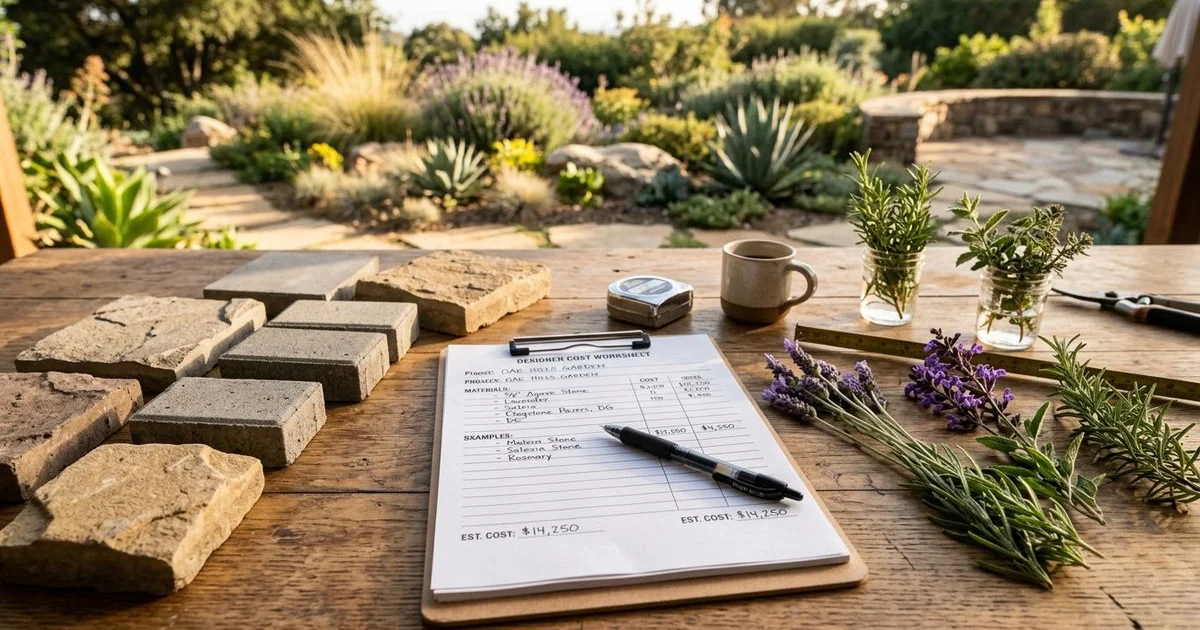
I have seen California buckwheat used in ways that surprised clients. It does not look flashy in the nursery pot, but once established it gives a yard a soft, natural structure and stays useful through hot periods. Ceanothus can be spectacular when placed in the right exposure, though it dislikes being babied with excessive summer water. Manzanita adds a sculptural quality, but it needs room and patience. If a homeowner expects instant fullness, it can be disappointing. If they understand that some plants mature into their best form over a few seasons, the reward is worth the wait.
The plant palette should also reflect the site’s microclimate. A shaded slope, a hot south-facing strip, and a protected courtyard will not want the same mix. That is where WUCOLS-style thinking, matching plants to region-appropriate water needs, becomes practical rather than theoretical. It keeps the design grounded in how plants actually behave.
Turf removal works best when it is planned, not rushed
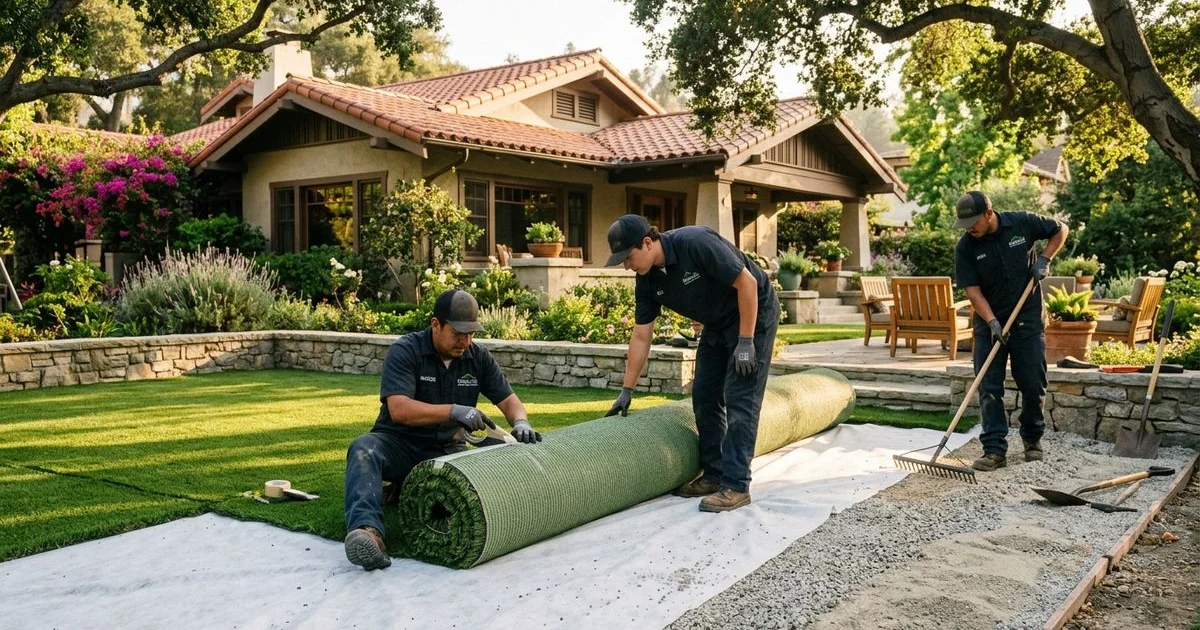
Turf removal is one of the most visible parts of drought tolerant landscaping, but it should not happen in a vacuum. Pulling out lawn before the replacement plan is ready can leave a yard looking unfinished and can create problems with drainage, weed pressure, or awkward circulation. The turf itself may not be the real issue. Sometimes the problem is that the irrigation system was never zoned well, or the family still needs a small play area, or a walkway has to cross the old lawn space.
A smart transition usually starts with deciding what the yard is for. Do you still need a place for children or pets? Do you want room for entertaining? Is the front yard mainly visual, or does it carry daily traffic from curb to door? Those questions shape how much turf stays, how much goes, and what replaces it.
When turf is removed, the replacement should do more than save water. It should solve a site problem or improve how the yard functions. A dry creek line might help with runoff. A planting bed with mulch might reduce evaporation and soil loss. A permeable path can connect spaces without creating more hard runoff than necessary. This is where good landscape design earns its keep. It turns a conservation project into a better outdoor space.
Irrigation retrofits matter more than most people think
If a landscape is still relying on an outdated irrigation setup, it is probably wasting water somewhere. Broken heads, poor coverage, overspray, and mismatched zones are common. So are systems that water shrubs like lawn or water flat areas and slopes the same way, even though those zones need different schedules.
A retrofit does not have to be dramatic. Sometimes it is a matter of converting inefficient spray areas to drip where appropriate, separating high-water and low-water zones, and making sure the controller reflects the actual planting plan. The simplest systems are not always the best, but clarity matters. A landscape with a thoughtful plant palette can still perform poorly if the irrigation design is sloppy.
This is one place where homeowners often see the value quickly. A yard that was constantly dry in one corner and soggy in another may settle down after the irrigation is corrected. The plants stop fighting the schedule. The soil starts responding more predictably. Less water is lost to evaporation and runoff. That does not make the yard maintenance-free, but it does make it much more manageable.
Fire, habitat, and beauty can coexist
A lot of people still think firewise landscaping and attractive landscaping are opposites. They are not. In California, especially near the San Gabriel Mountains and the foothill communities that border natural habitat, a good design needs to consider ember exposure, plant spacing, and maintenance without losing its sense of place.
The best landscapes in these settings tend to be layered and disciplined. Near the home, the planting is cleaner and easier to maintain. Farther out, the design can become more naturalistic. This allows the yard to participate in the local habitat while still respecting defensible-space thinking. Native plants can be part of that picture when they are chosen and maintained correctly.
One of the overlooked benefits of native habitat gardening is that it often feels more connected to the region than a generic ornamental landscape. A yard planted with California sagebrush, foothill penstemon, bunchgrasses, and other appropriate natives can echo the surrounding hills in a way that feels grounded, not forced. In areas where the natural landscape is part of everyday life, that matters.
HOA rules and water-efficient landscaping
Homeowners’ associations sometimes create anxiety around landscape changes, but water-efficient choices have legal backing in California during drought-related restrictions. That means homeowners are not without options when they want to move toward lower-water landscaping. Still, it pays to check the rules early and document the design clearly.
HOAs are often more comfortable when the new landscape looks intentional. A neat plan with defined edges, a finished hardscape layout, and a plant palette that appears cohesive is easier to approve than an improvised patchwork of removed turf and bare soil. If the front yard is highly visible, appearance matters almost as much as water savings. This is another reason design quality and conservation should be treated as partners, not competing goals.
A practical sequence that keeps projects on track
For most California yards, the cleanest path forward is a sequence, not a leap. It begins with observing the site, then deciding what the landscape needs to do, then choosing materials and plants that fit the conditions. If the property includes a slope, drainage concern, or fire exposure, those issues should shape the design from the beginning. If the yard is flat and simple, the plan can be simpler too. The point is to let the property tell you what it wants.
Here is a short planning order that usually prevents trouble:
That process may sound basic, but basic is often what gets skipped. The difference between a yard that survives drought and a yard that thrives through it usually comes down to those first decisions.
A California landscape can be resilient, attractive, and comfortable without consuming more water than the site can reasonably support. That takes restraint as much as creativity. It asks for plants that belong, hardscaping that works, and irrigation that respects the design instead of fighting it. When those pieces come together, the yard stops feeling like a compromise. It starts feeling like it was always meant to be there.